
Candidate Conversations: Governor

We invited all 15 primary race candidates for Maine governor in 2026 to sit down with Maine Women’s Lobby staff and board members for a conversation utilizing the same series of questions regarding our four priority policy areas. Out of those 15 candidates, seven agreed to participate. Below are highlights from each conversation; links to full transcripts of these interviews are available at the bottom of the page.
-
Q: What are your top policy priorities to address the challenges in the care work industry?
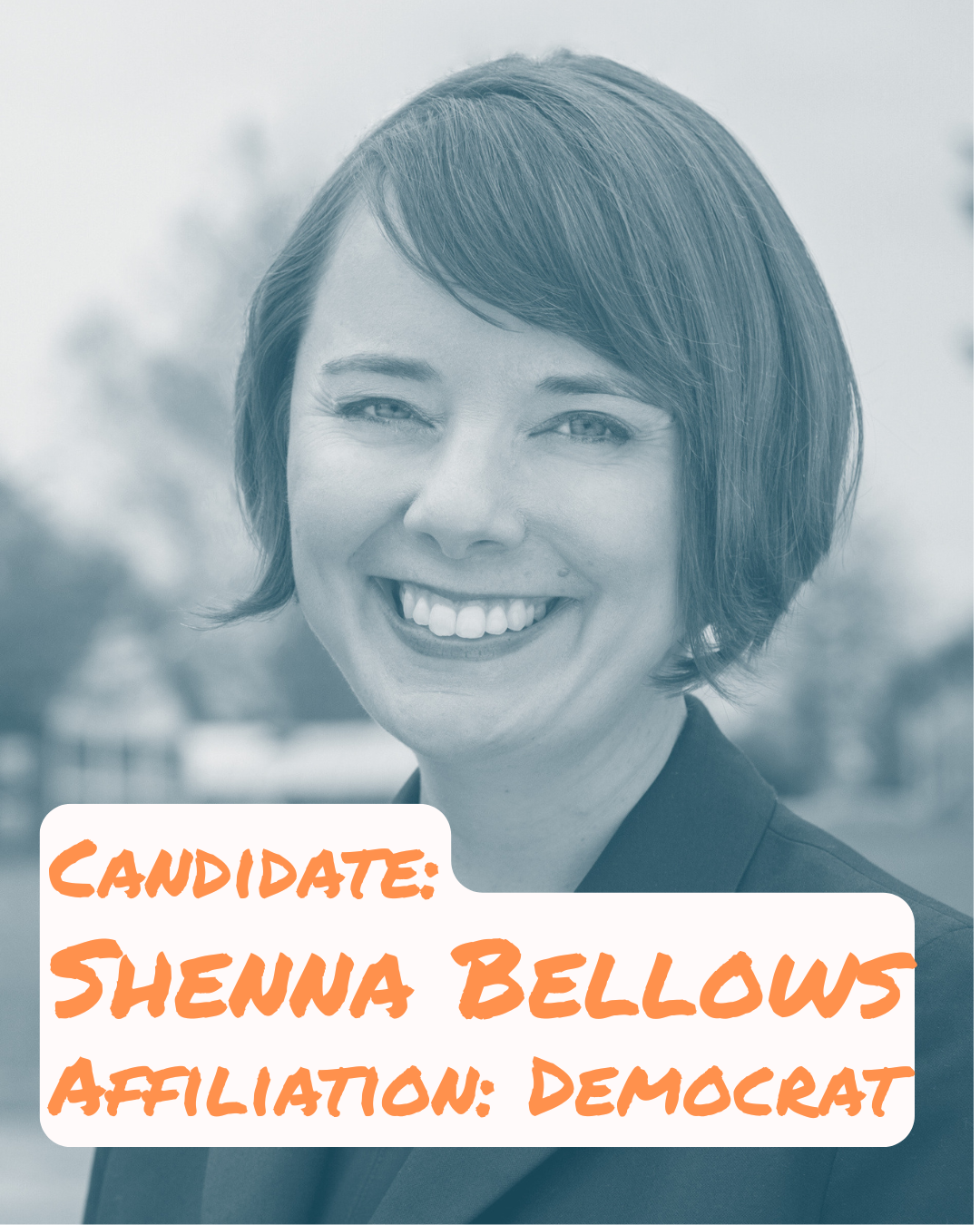
“I think we can do more in terms of tax fairness. I've called for freezing property taxes of resident Mainers and paying for it by doubling the property taxes of non-residents, because 1 in 6 Maine homes is a vacation home. [We can] create revenues so we can invest in universal childcare, and a plan for universal healthcare, and adequately pay direct-to-care workers as part of that system.”
-
What do you see as the biggest barriers and challenges facing access to consistent, high-quality perinatal care? “As governor, in my first year, I will provide direct operating support to birthing centers, hospitals, and community health centers, because we need to keep those centers open. There should be a baseline expectation of state support for that infrastructure, and honestly, we really need to go back and look at the birthing centers that have closed, and evaluate how we can get them open again.”
What do you see as key policy interventions to protect access to reproductive healthcare in the state? “We need to fully fund reproductive healthcare, full stop. We need to fully fund rural healthcare infrastructure, including rural birthing centers. For me, that's a bright line. I will veto any budget that does not include full funding for reproductive healthcare. I will veto any bill that chips away at reproductive healthcare and agency for everyone in our state.”
-
What do you see as the key policy interventions to support sexual assault and domestic violence survivors, and to protect access to these services? “I think the governor can play a role both in funding and in education about this issue, but then the other piece is economic justice. So, so many people struggling with intimate partner violence are forced to think, ‘How could I live? How would I feed my kids? How can I find a place? How could I support myself outside of this situation?’ So we really need to be thinking about how are we supporting the pipeline of support, helping survivors get into safe housing, helping survivors have access to the resources that they need, to thrive independently.”
-
What policies or approaches, if any, would you support as governor to ensure eligible voters can participate in elections, and that people who want to run for office are able to do so? “I'm pro-voting and pro-clean elections. People like me don't run for office very often. I grew up without electricity or running water until I was in the fifth grade, in poverty, and I married an educator. I've worked in nonprofits my whole life. I don't come from wealth or power. Getting into the state senate, I could do that because of clean elections, because I didn't have to fundraise to serve in the Senate… As secretary, I'm taking on the Trump administration to defend your voter data and to defend elections. So, if folks want a governor who will stand up for democracy, pick the only candidate who's already doing that work.”
-
“When ICE surged in Maine and they wanted undercover license plates, I said, hell no, we don't have a secret police in a democracy. Despite my very public advocacy for democracy and human rights that has led to Republican calls for my impeachment and, in fact, two impeachment votes, and death threats, and doxing, and swatting. I have been able to keep forging those relationships that allow Republicans to vote to impeach me, and then vote for my budget. And that's a skill that I would bring to the office of governor, that ability to build relationships and hold relationships, even in times of conflict, so that we can find that common ground where it exists.”
Building care infrastructure and economic equity
“I think we can do more in terms of tax fairness.”
What are your top policy priorities to address the challenges in the care work industry?
I think we can do more in terms of tax fairness. I've called for freezing property taxes of resident Mainers and paying for it by doubling the property taxes of non-residents, because 1 in 6 Maine homes is a vacation home. [We can] create revenues so we can invest in universal childcare, and a plan for universal healthcare, and adequately pay direct-to-care workers as part of that system.”
Ensuring reproductive and gender-specific healthcare
Ensuring reproductive and gender-specific healthcare
What do you see as the biggest barriers and challenges facing access to consistent, high-quality perinatal care?
“As governor, in my first year, I will provide direct operating support to birthing centers, hospitals, and community health centers, because we need to keep those centers open. There should be a baseline expectation of state support for that infrastructure, and honestly, we really need to go back and look at the birthing centers that have closed, and evaluate how we can get them open again.”
“I will veto any budget that does not include full funding for reproductive healthcare. “
“I will provide direct operating support to birthing centers, hospitals, and community health centers, because we need to keep those centers open.”
What do you see as key policy interventions to protect access to reproductive healthcare in the state?